Forestry Mulching
Turn brush, saplings, and unwanted vegetation into mulch that stays on the ground.
We organize excavation, drainage, access, and property-preparation work around what you need the site to support next.
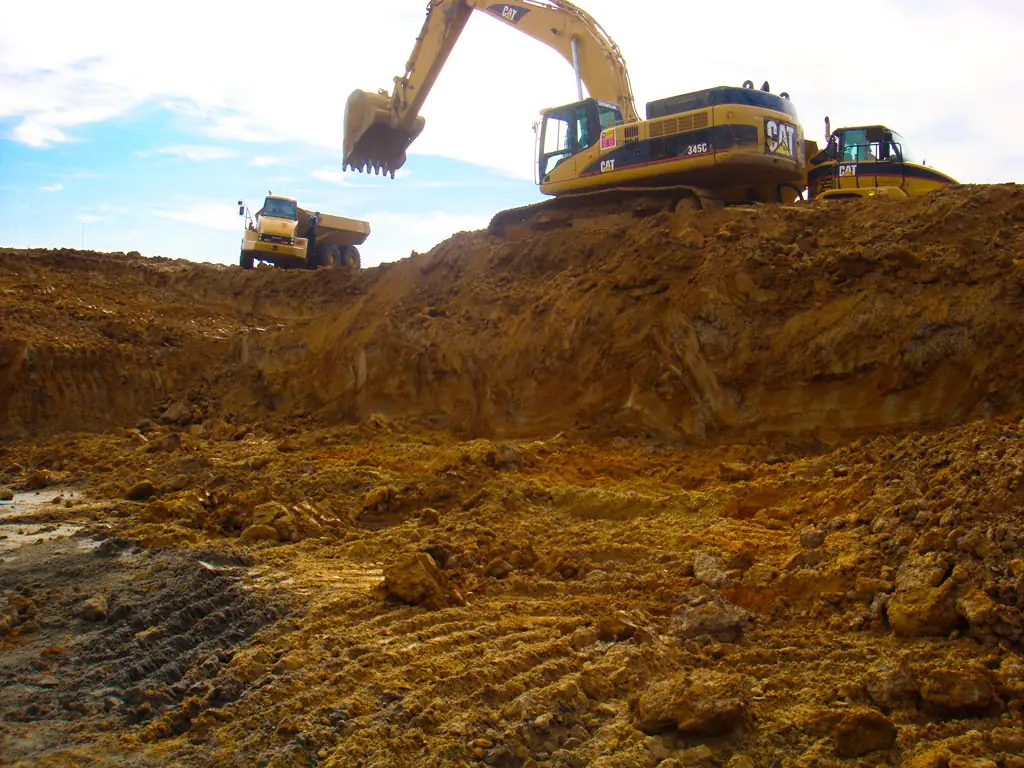
Sitework makes the most sense when every task connects to a clear goal for your property. You may need excavation, drainage, construction access, material movement, or preparation tied to a home, barn, shop, driveway, or another planned use. We look at those needs as separate scope items. That way, you can see what we're including now and what needs to wait for a later phase. Related work can fit into one plan without turning into one open-ended project.
We'll start with the property location, current conditions, intended use, approximate work area, and practical access for our equipment. Show us the known boundaries, private utilities, septic components, drainage features, structures, and anything that needs to stay. If you have plans or requirements from a builder, surveyor, engineer, or another project professional, bring them to the site discussion. Those details help us shape our work around the next phase instead of guessing what another contractor will need. They also make it easier to separate the work we can price from surveying, engineering, permitting, utility installation, construction, or other responsibilities that belong with the appropriate professionals.
Excavation and drainage are both on our service list, but we still review every property on its own. Water behavior, soil conditions, terrain, access limitations, nearby improvements, and the result you're after can all affect the work we propose. We'll describe the concern we're addressing and the work we're offering in the estimate. We won't guarantee a result we haven't had the chance to evaluate.
Construction access and general property preparation need the same kind of practical conversation. A route for equipment has to be planned around what that route or work area must support, where we can enter, and where the work needs to stop. Tell us what the next contractor expects to receive at handoff, too. If clearing or grading needs to happen first, we'll list those phases separately rather than letting them disappear under a broad sitework label. Keeping the sequence clear gives you a better picture of the price, the boundaries of each phase, and the condition the site should be in before the next phase begins.
A useful sitework estimate should tell you where we'll work, what order the tasks will follow, what is expected for materials, how we'll access the area, and what you need to handle before we arrive. It should also spell out exclusions, payment timing, and the expected finish. We'll state whether excavation, drainage, grading, clearing, or material movement is included. A general phrase such as site prep doesn't make every possible service part of the price. If a task isn't listed, ask about it before approving the estimate rather than assuming it's included.
Sitework pricing is specific to the property. Access, terrain, travel, equipment time, material needs, hidden conditions, and the requested handoff can all change the proposal. For local work, we commonly use a six- to eight-hour minimum in the $1,800 to $2,500 range and a 50% deposit. That's a planning range, not one price for every sitework project. The written estimate will give you the actual scope, price, and deposit for the project you're approving, so that document should guide the work instead of the general information on this page.
Before we schedule the work, we'll talk through what the completed phase should allow you or the next contractor to do. The handoff might be an opened access route, a defined excavation task, drainage work within the agreed area, or ground prepared for another planned phase. We can document the work we're proposing, but we don't replace surveying, engineering, permitting, utility installation, or construction services. Those responsibilities stay with the appropriate professionals.
Weather, soft ground, hidden debris, utility concerns, or another changed condition can affect the approach or schedule. If added work becomes necessary, we'll discuss it and document it before moving ahead whenever practical. That gives you, our team, and any contractor who follows a clear record of what changed.
For a property with several phases, we first identify the usable result you need from the current phase. Opening access, addressing a defined drainage concern, excavating within a marked area, and preparing ground for a later contractor can be connected without becoming one unlimited scope. Each phase should still have its own boundary, task list, exclusions, and handoff.
We'll also ask you to confirm the equipment route, protected areas, material placement, and any site information we need before arriving. Keep the accepted estimate, marked maps, photos, and written changes together. That record separates the sitework you've approved from future ideas that may come up during the walkthrough. Once the current phase is reviewed, you'll have a clearer starting point for deciding what comes next.
Our sitework may include excavation, drainage, construction access, material movement, and property preparation when those tasks are listed in your written scope.
Yes. We offer all three, but we'll identify each phase, its boundary, and the expected handoff in the estimate.
No. We don't advertise engineering or permitting services. Before work begins, confirm any required plans, approvals, or responsibilities that belong with a third party.
Call (513) 993-6088 with the location, current conditions, access, approximate work area, and intended use.
Request an Estimate